
Africa
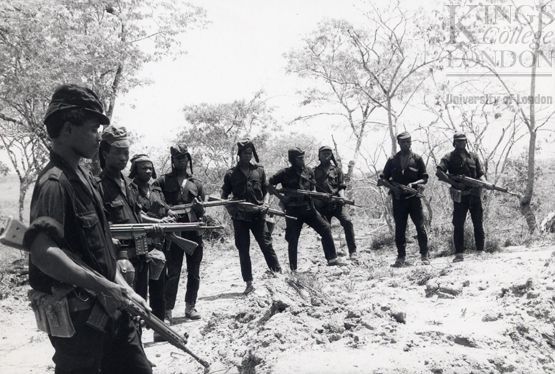 MozambiqueThe end of the Second World War accelerated the pace of independence in Africa: a defeated Italy surrendered its colonies, the empires of Britain and France underwent progressive dismantlement, and domestic political and economic upheaval, for example in Portugal, led to rapid decolonisation.
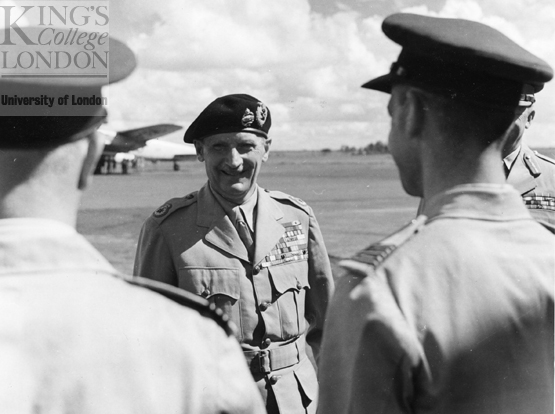 MontgomeryThe USSR and US became embroiled in these independence struggles.
In Mozambique, for example, the Marxist FRELIMO guerrillas overthrew Portuguese rule with Soviet and Cuban military and diplomatic help. The anti-communist RENAMO movement likewise received support from the West.
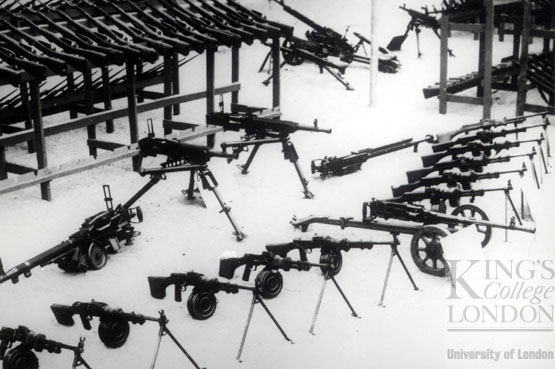 Captured weaponsThe Soviets similarly supported the MPLA guerrillas in their successful struggle for Angolan independence, opposed by the US and South African- backed UNITA, commencing more than fifteen years of civil war.
Another example of a newly independent African country to become caught up in the wider power struggle between East and West was the Belgian Congo during the 1960s.
The deployment of United Nations peacekeepers helped separate the warring parties but the extent of the region's ongoing troubles was shown by the massacres in neighbouring Rwanda in 1994.
Ethnic conflict characterised the Cold War in the Far East, Middle East, in Eastern Europe and in Africa where the white minority apartheid regime in South Africa intervened on numerous occasions to assist anti- communist movements in the region, with tacit support of the US.
Struggles to control Africa's abundant natural resources including oil, precious metals and diamonds also complicated the story of the Cold War on the continent.
In this exhibition
- Imperialism
- World War Two
- Cold War begins
- Balance of Power
- New millennium