
Atomic weapons
 Soviet atomic test, Joe-1The US exploded the first atomic bomb in August 1945. The destruction of the Japanese cities of Hiroshima and Nagasaki soon after marked the close of the Second World War but also heralded the dawn of a new atomic era.
America retained a nuclear monopoly until 1949 when the Soviet Union successfully tested its own device. Global annihilation then became a very real possibility.
The 1950s and early 1960s saw the introduction of the much more powerful H-bomb and new delivery systems - ballistic missiles - that deepened still further collective fear and paranoia.
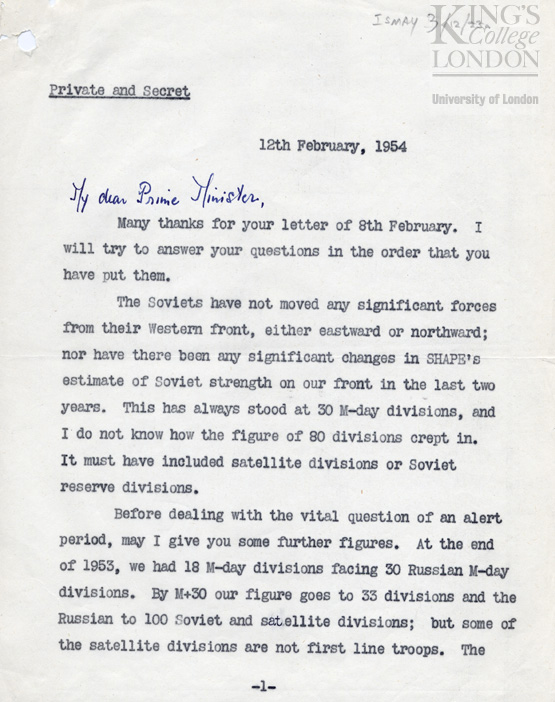 Soviet strengthWhile the nuclear stalemate between the US and USSR helped deter full-scale war, the two blocks nevertheless sought to protect and extend their respective ideological and strategic spheres of influence through the sponsorship of friendly regimes and the covert subversion of unfriendly governments by organisations such as the Central Intelligence Agency (CIA), which was set up in the late 1940s to help combat the perceived Soviet threat.
The use of espionage and the dissemination of propaganda through such channels as Radio Free Europe and Radio Moscow also became commonplace.
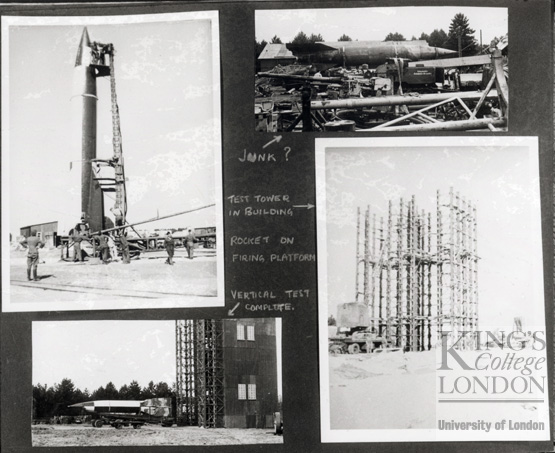 V-2 rocketThe main 'battleground' also moved to the developing world and former European colonies in Africa, Central and South America and South East Asia.
Such proxy wars involved the supply of arms and intelligence and intervention in civil or regional conflicts as far apart as Angola, El Salvador, Indo-China and latterly Afghanistan where the US supported the Mujahideen resistance against the Soviet invasion in 1979.
In Cuba, Latin America and the Far East in particular, Communism was often seen in more positive light as part of a struggle against old colonial powers and capitalist 'economic imperialism'.
In this exhibition
- Imperialism
- World War Two
- Cold War begins
- Balance of Power
- New millennium