
Empire and Nationhood
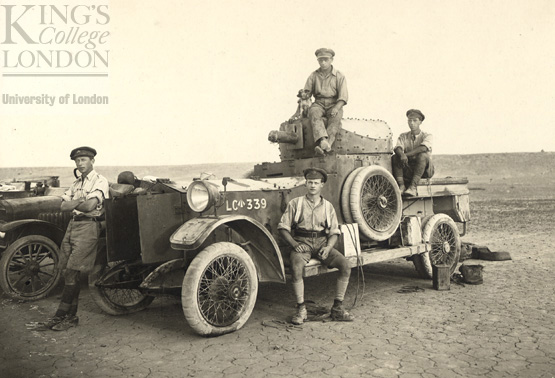 Libya to EgyptModern empire had its origins in the great voyages of naval exploration beginning in the fifteenth century.
The discovery of America, and opening of sea routes to India, China and the Spice Islands all created new opportunities for trade in silver, food, raw materials and luxury items.
The search for private profit became wedded to national territorial ambition.
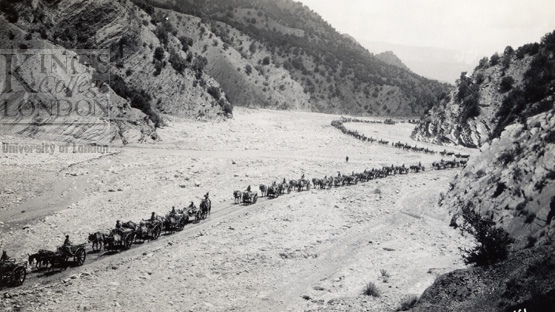 Artillery in India 1930Imperialism as an ideology began to emerge during the nineteenth century, underpinning the scramble for new territory in Africa which began in earnest in the 1880s and which saw European nations including Britain, France and Germany conquer large swathes of the continent.
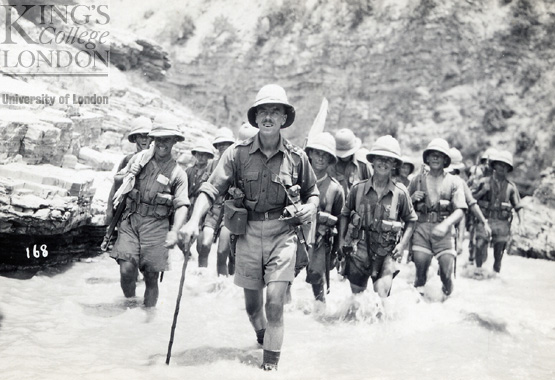 River in India 1930Moreover, German rearmament in the late nineteenth century saw it emerge as a military and imperial rival to Britain, an arms race that ended abruptly in the slaughter of World War One.
The inter-war period witnessed the beginnings of modern independence movements, however, anticipating the rapid decline of imperialism after the Second World War.
The latter stages of the British Empire also saw the deployment of religious and moral justifications for imperialism.
 Boer farmhouseThe poet Rudyard Kipling coined the phrase 'white man's burden' in 1899 when he called for benign US imperial intervention in the Philippines.
 Kipling's funeralImperialism was to be a civilising mission and the colonial powers had a moral duty to educate and improve the lives of their subjects.
Critics, however, argued this was a mere fig leaf to disguise the reality of often-brutal exploitation.
Communists, in particular, claimed that not only colonial subjects but also all working classes the world over were being exploited by the ruling classes. This view became increasingly popular following the successful Russian Revolution in 1917.
In this exhibition
- Imperialism
- Empire and Nationhood
- The British Empire
- Nationhood
- Versailles 1919
- World War Two
- Cold War begins
- Balance of Power
- New millennium